Chapter 1: I Was Supposed to Be a Doctor. A Camera Changed Everything.
The award was for photography. I wasn't there to accept it.
In 2013, the Government of India announced its 2nd National Photo Award, and my Window Seat series - photographs I made from the window of an airplane, looking down at the world from 35,000 feet - had earned a Special Mention. It was one of the country's most prestigious photography honors. The ceremony was in New Delhi. I couldn't be there.
So they flew my dad instead.
He walked into that room in New Delhi on my behalf, and the Speaker of the Lok Sabha, Meira Kumar, handed him the trophy and posed for photographs alongside him. Had I been standing there myself, I would have been the youngest person in the room by a wide margin. I was a budding photographer who had been pointing a camera out of airplane windows, and somehow that work had traveled all the way to the halls of the Indian government.
I found out later and sat with it for a long time. Not with pride exactly - more with a quiet sense of recognition. Like something had been confirmed that I hadn't yet known needed confirming.
I didn't understand what that moment meant then. Years later, I understand it completely.
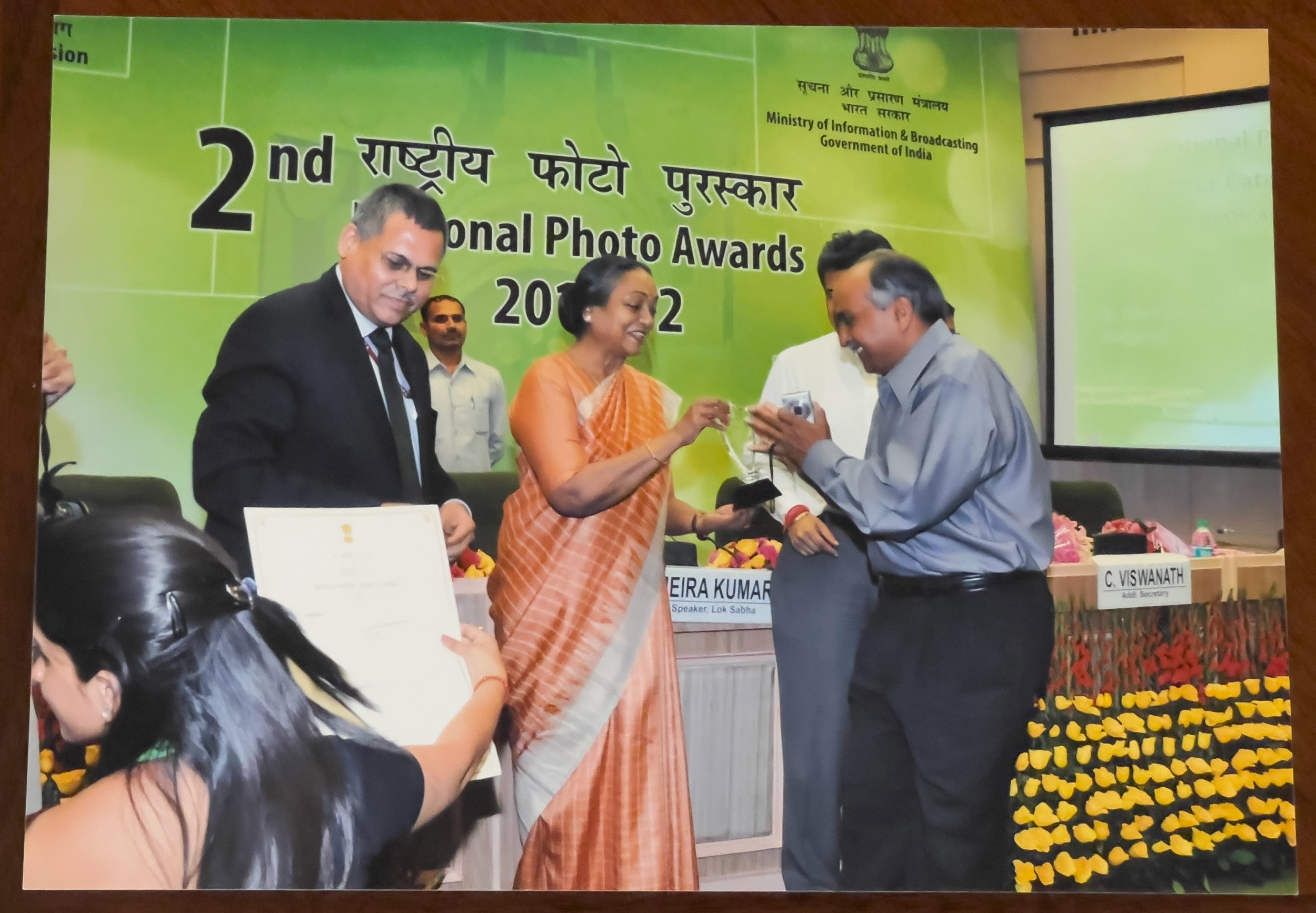
My dad accepting the award from the Speaker of Lok Sabha, Meira Kumar.
I grew up in India, and creativity was always somewhere nearby - not as a career path, not as anything serious, just as a thread running through everything I did. The award was real, but the idea that you could build a life around making things? That felt like a different kind of person's story. Not mine.
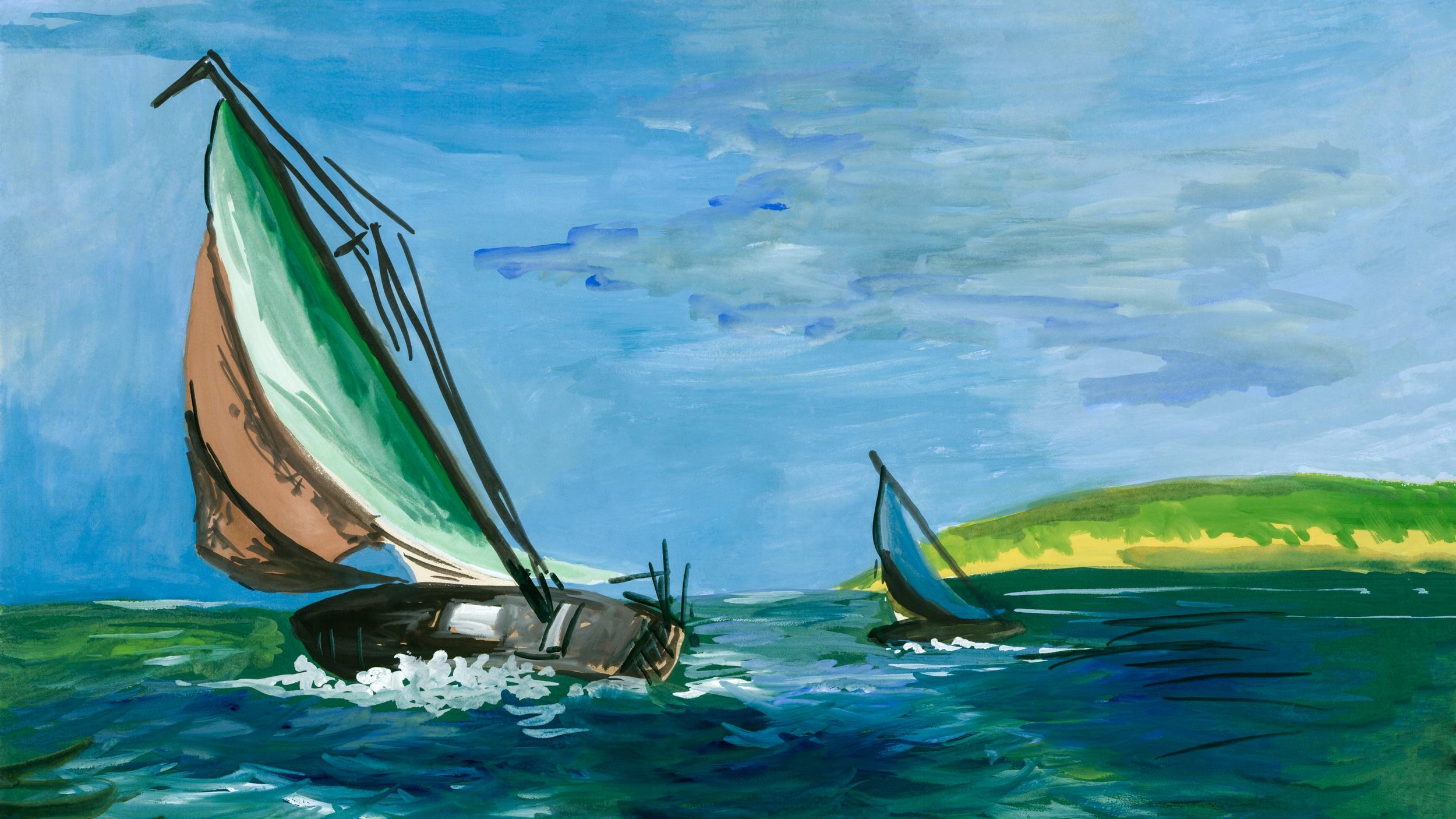
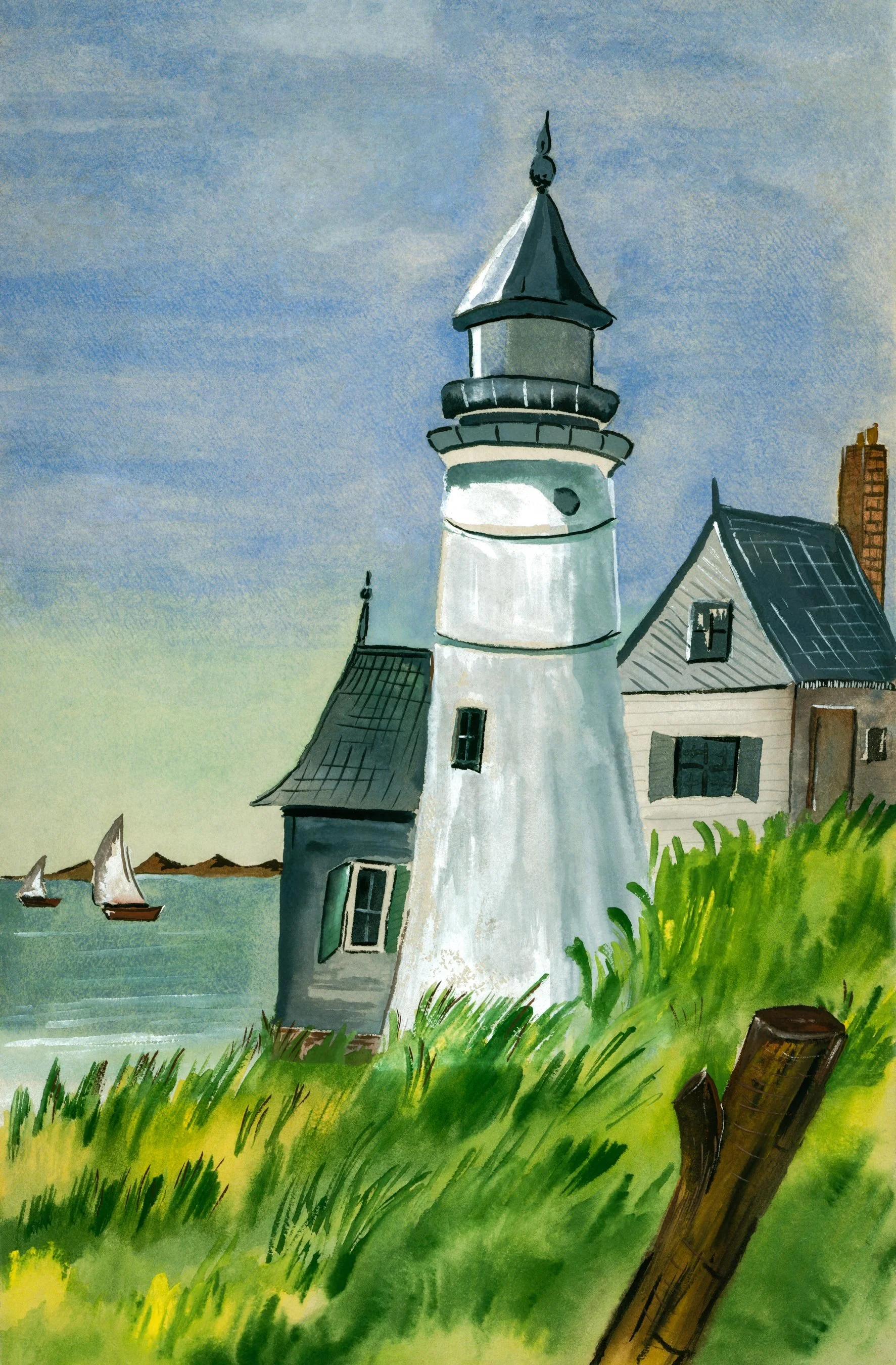
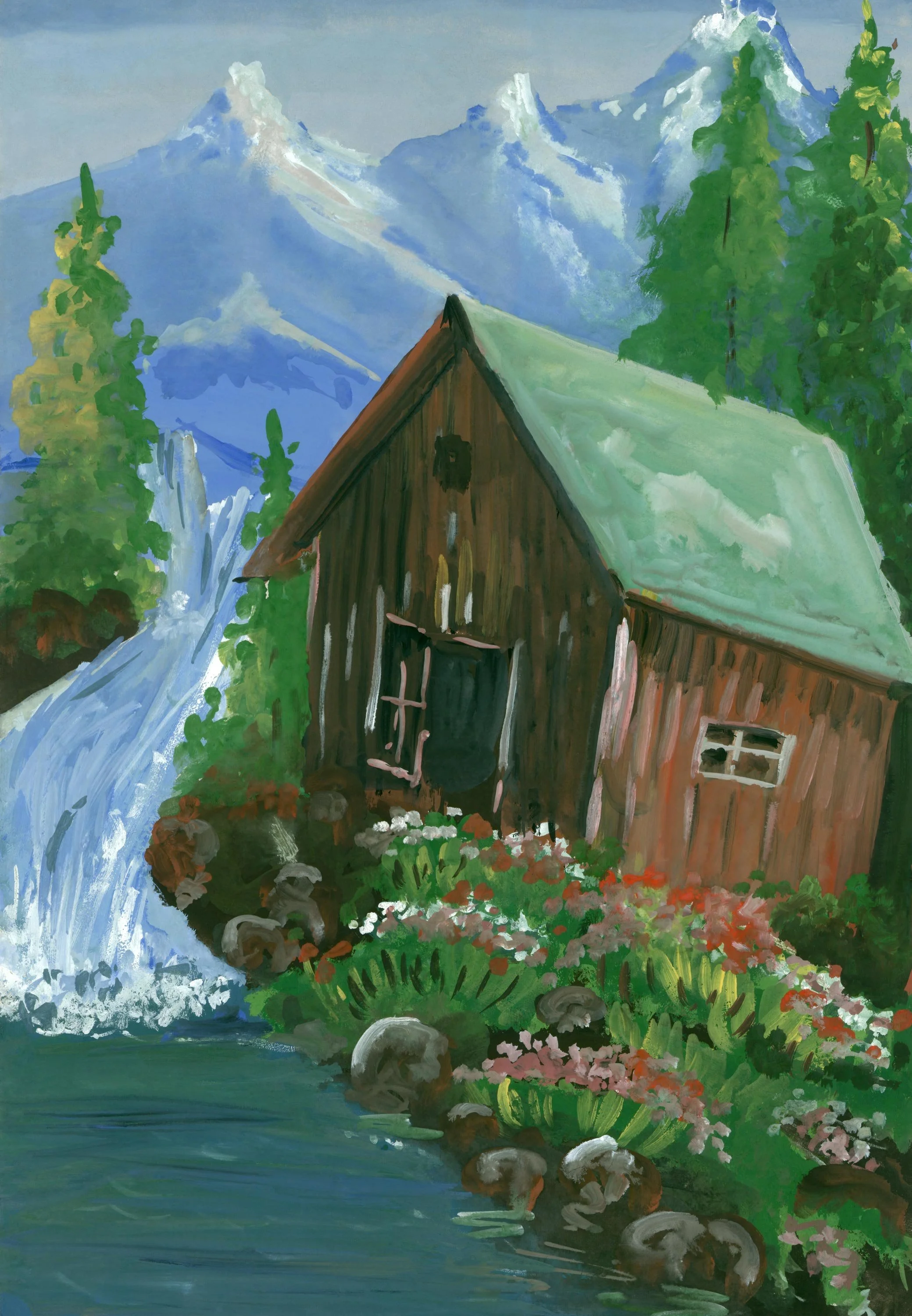
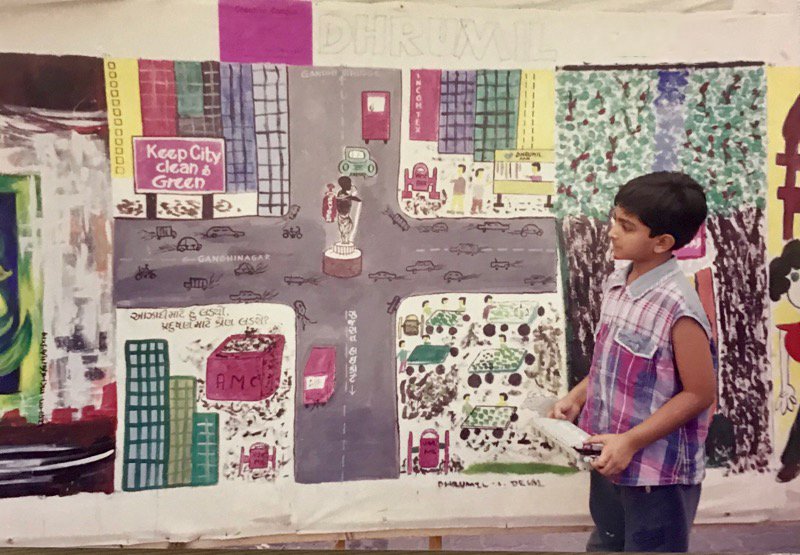
When I was 8 years old, I painted on the longest canvas in the world.
So I followed the path that made sense. I moved to the United States, eventually landed in Southern California, and enrolled at UC San Diego to study biochemistry. I was pre-med. I was focused. I had a plan.
What I didn't account for was Europe.
The summer after my sophomore year, I went with my family. I brought a camera - almost as an afterthought, the way you pack something because you might want it, not because you need it. We moved through cities I'd only ever seen in photographs: London, Paris, Brussels, Vienna, Lucerne, Venice, Milan, Verona. Old architecture and cobblestone streets and light falling at angles I'd never experienced growing up in India or living in the American Midwest or Southern California. Something about being that far from my ordinary life made me see differently. I started shooting everything. I couldn't stop.
I came home a different person than the one who left.
I didn't make any dramatic announcements. I didn't walk into my advisor's office and declare a new path. It happened quietly, the way the most important shifts usually do. I started spending more time with the camera than with the textbooks. I started thinking about visual storytelling the way I used to think about molecular biology - with real curiosity, with the need to understand how everything connected. Medical school started to feel like someone else's future.
Eventually, I stepped off that path entirely. And I started to build a new one.
The work came slowly at first, then all at once. I shot for magazines. I developed a style that was clean and considered, with a sense of light that I think came directly from that European summer - the way afternoon sun fell across the rooftops in Paris, the way a canal in Venice turned gold just before dusk, the way Verona felt like a city that had been quietly waiting to be photographed.
Then came the moment that closed the loop on something I hadn't realized was open.
The same series that had won a National Award in India - the Window Seat photographs, those aerial frames taken from airplane windows - caught the attention of a publisher. Macmillan Publishers licensed one of those images. Not just for one edition. Multiple editions, multiple languages, the ebook, the audiobook. A single frame made from a coach seat at 35,000 feet, reproduced across formats and countries and readers who would never know the photographer's name.
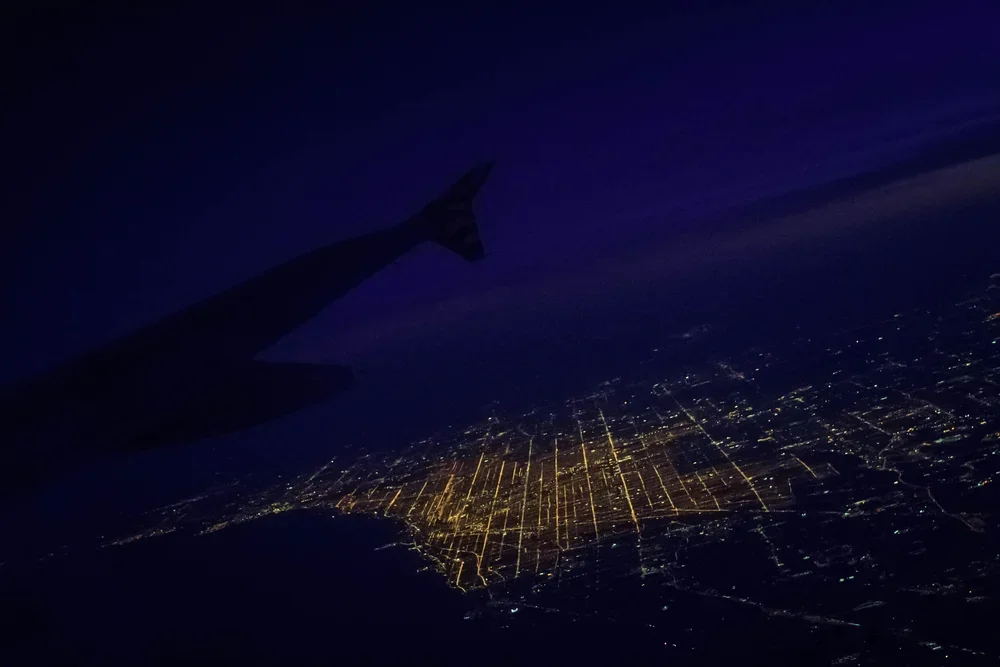
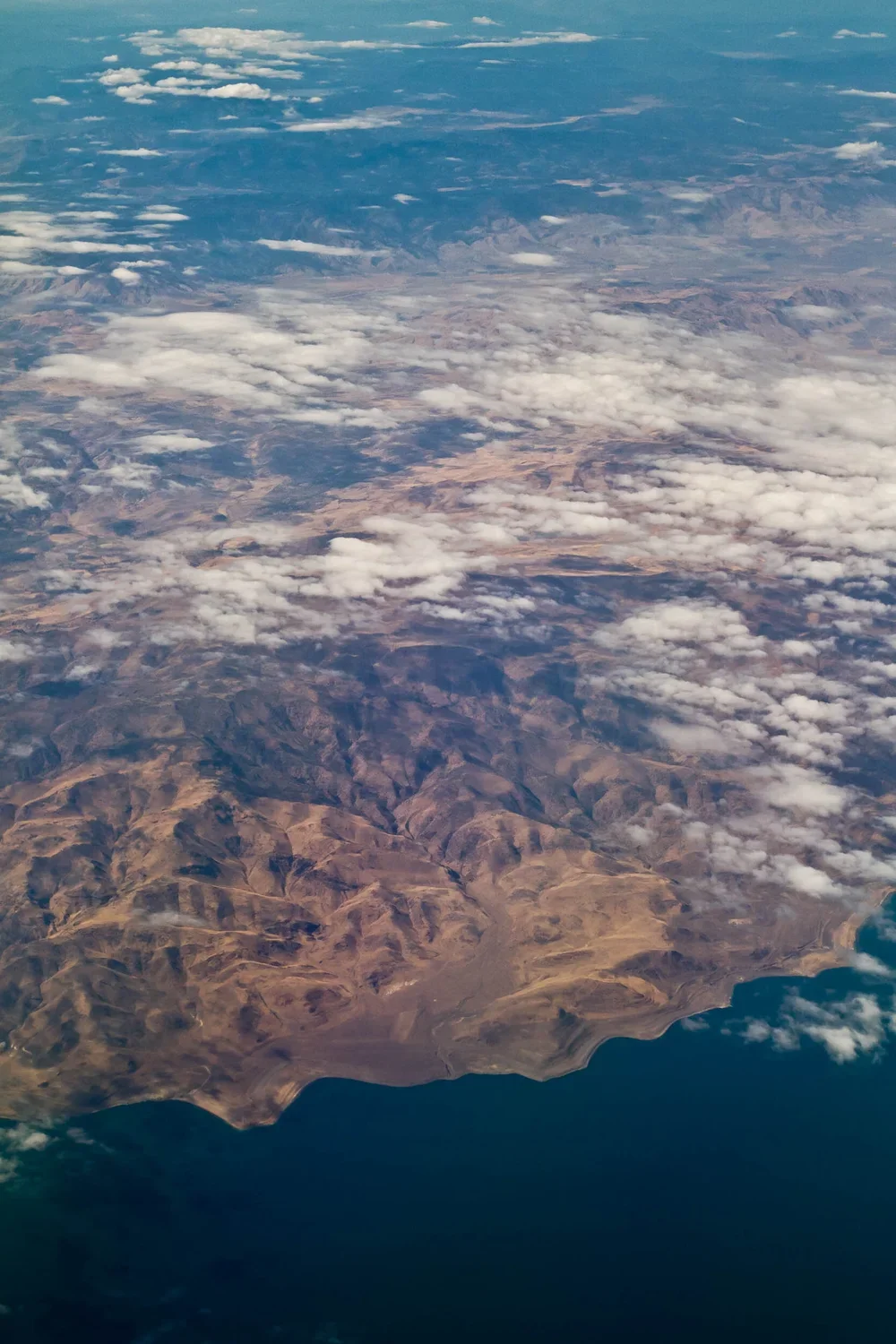
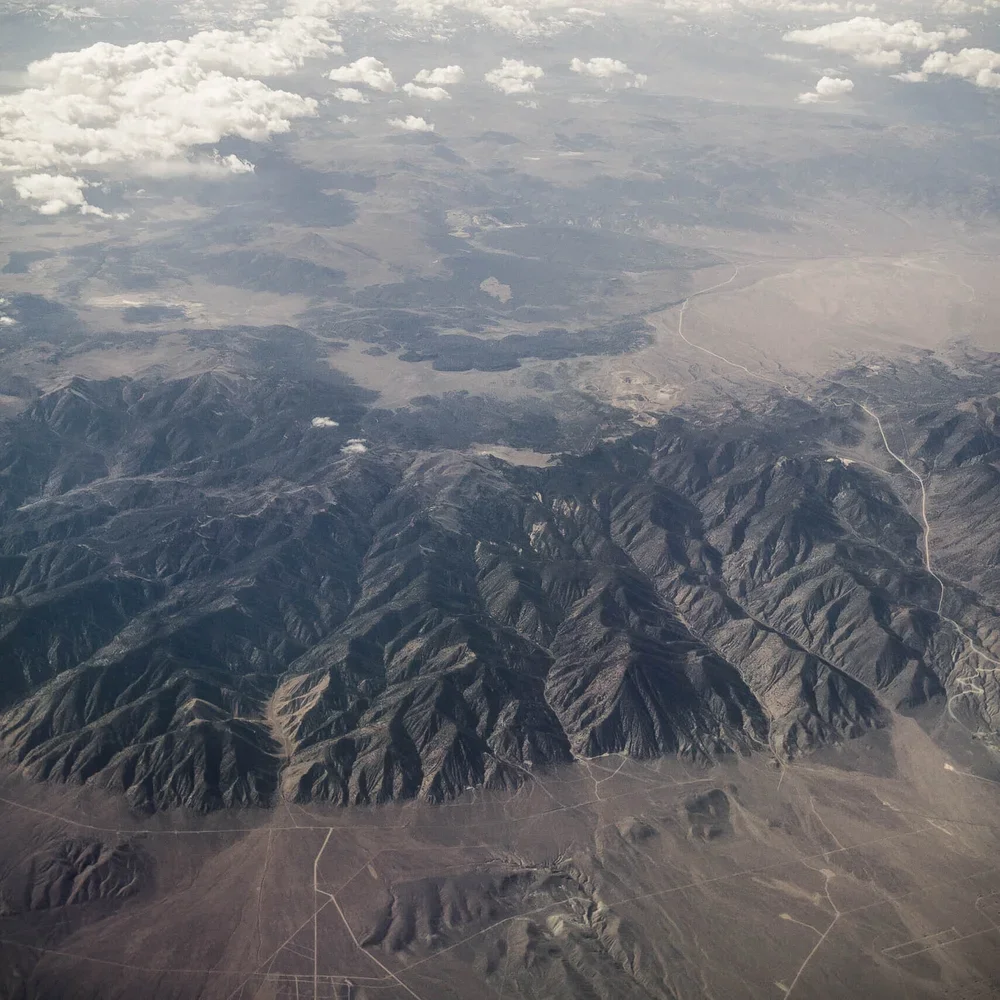
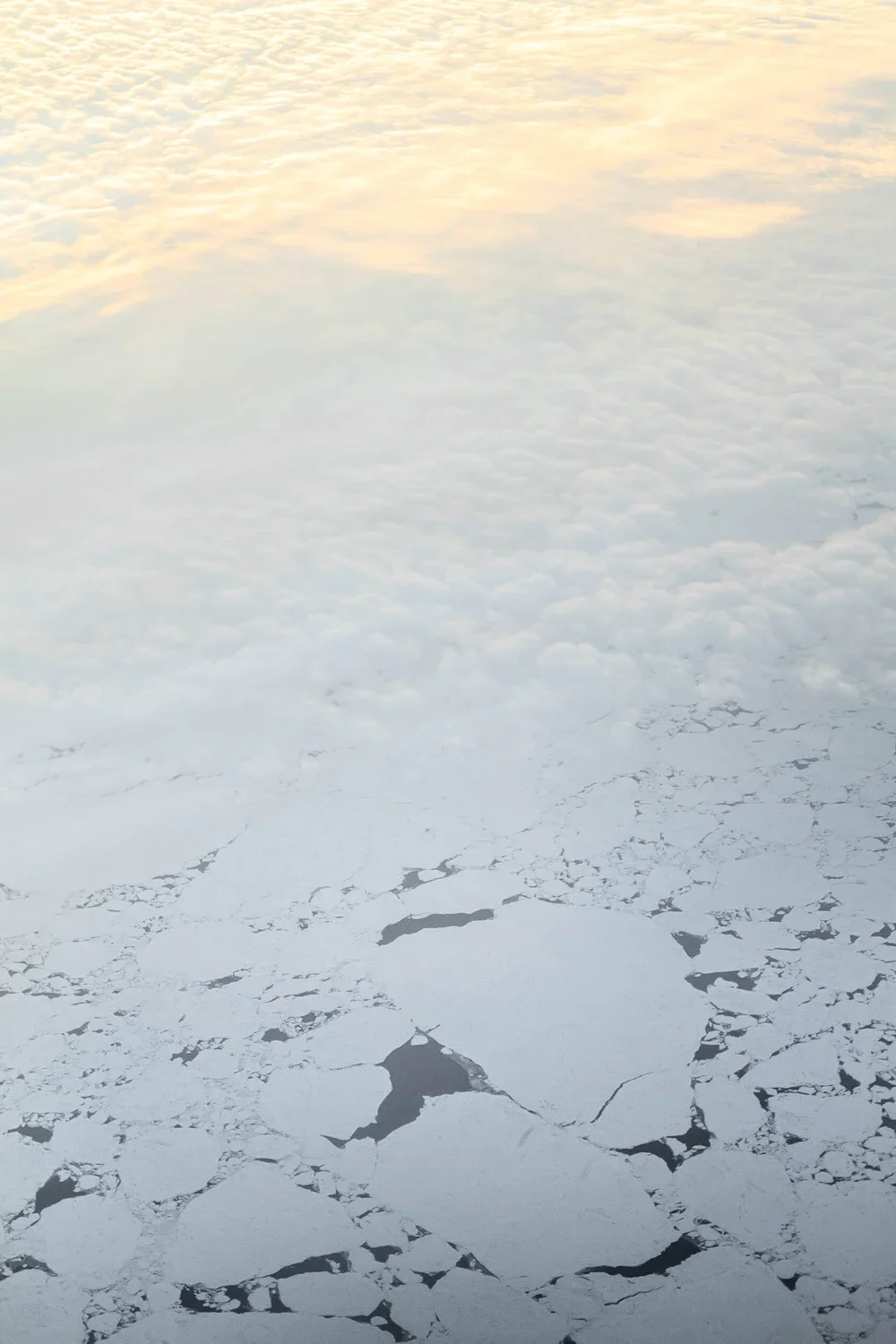
I wasn't trying to build a career with that series. I was just trying to see the world differently. But those images taught me something I've carried into every project since: the right perspective - literally and figuratively - changes everything about what you're able to capture.
Around this same time, I shot my first major commercial project: a campaign for Beyond Meat.
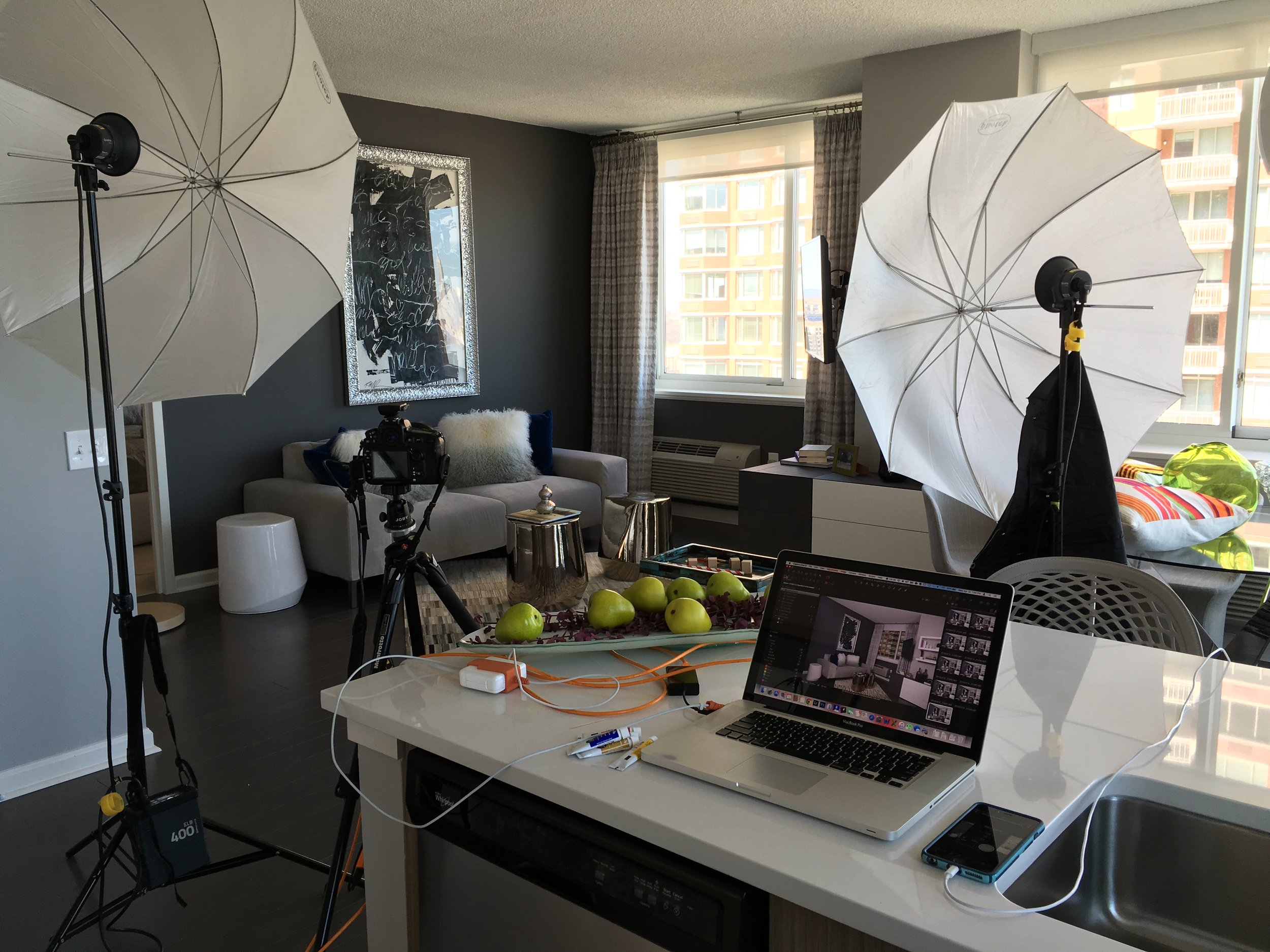
If you've never directed a commercial food shoot, it's a specific kind of organized chaos. There are food stylists and lighting rigs and brand stakeholders and tight windows of time and a product that absolutely has to look a specific way or the whole thing falls apart. It demands a particular kind of thinking - part artistic, part logistical, entirely high-pressure. I loved every minute of it.
And when it was over, I knew I needed to be in New York.
That probably sounds impulsive. It was a little impulsive. But it also came from something I understood clearly about myself by then: I work best when the environment is demanding. I think most clearly when the stakes are real. New York, for creative work, has a way of raising both.
So I packed my life into bags, left California, and moved across the country without a plan, without a safety net, and without anything close to certainty that it would work. I had some portfolio, a lot of conviction, and the kind of naivete that is genuinely useful when you're doing something that a more experienced version of yourself might talk you out of.
Freelancing in New York City teaches you things that no classroom can replicate.
It teaches you speed - the kind where you show up to a brief at 9am and have a concept by noon, not because you're rushed, but because the client needs it and you've developed the instinct to trust your first strong idea rather than second-guess it into mediocrity.
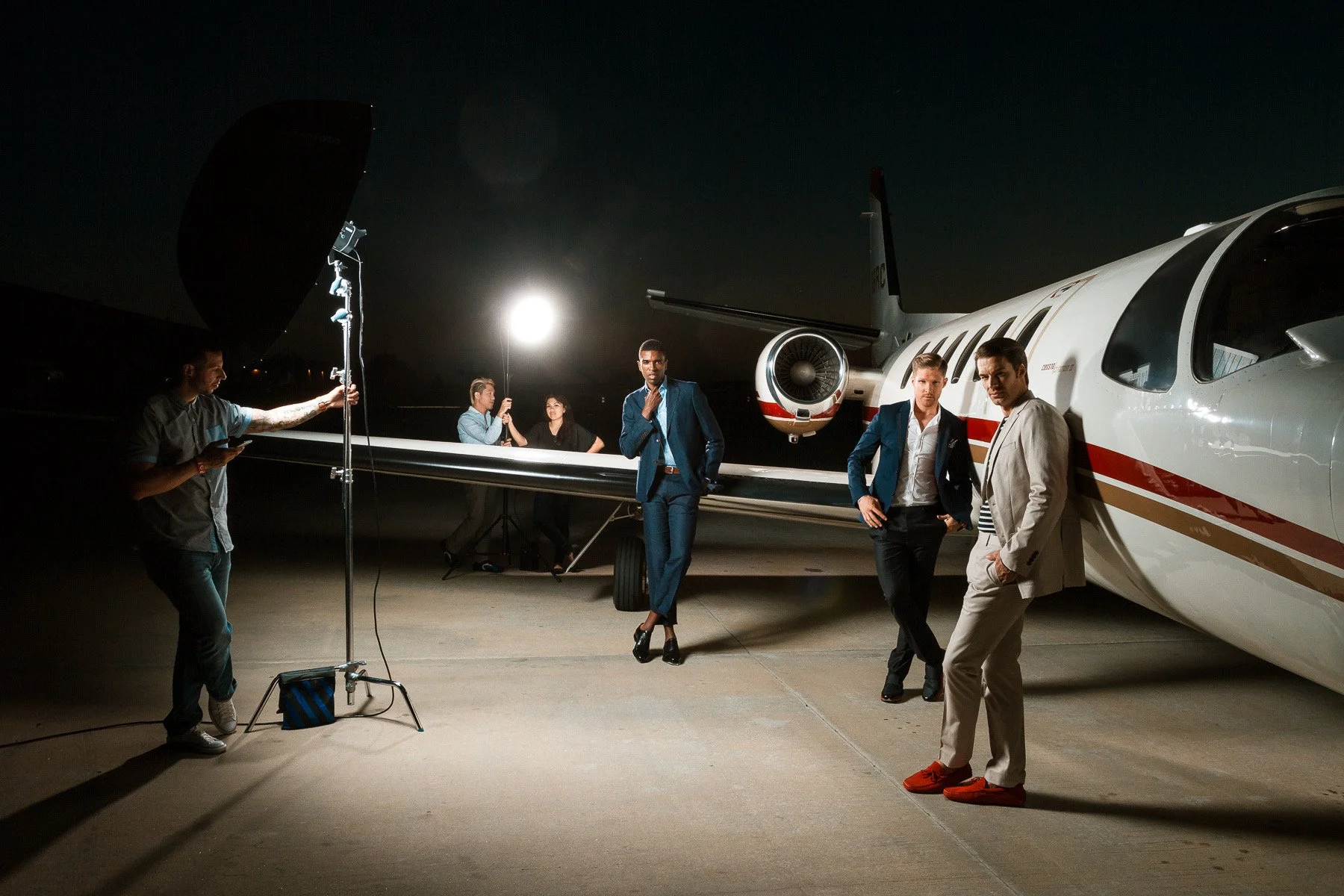
It teaches you problem-solving under real conditions. When a shoot goes sideways in a studio in Midtown - when the light is wrong or the product is damaged or the talent cancels - you don't have the luxury of rescheduling. You adapt. You find the shot in the version of the day you actually have, not the one you planned.
And it teaches you to trust yourself. That one took the longest. But working project to project, client to client, putting your creative judgment on the line over and over again, builds something in you that's hard to name and impossible to fake. You start to recognize the difference between a decision made from doubt and a decision made from clarity. You learn to tell them apart in your gut before your head has finished processing.
Those years of freelancing became the foundation for everything that came after.
I think about the version of myself who stood in that European city for the first time, camera in hand, and didn't yet know what he was looking at. He just knew that the light was doing something interesting, that the frame wanted to include this and exclude that, and that something about the act of choosing what to capture made him feel more like himself than anything he'd done before.
That instinct - the one that knows what belongs in the frame and what doesn't - is the same one I've spent the last decade developing and applying to brand creative at the highest level. Campaigns. Collections. Email programs. Customer journeys. Photography. All of it comes back to the same question: what is this story, and how do we tell it in a way that actually lands?
I didn't start with a plan to become a creative director. I started with a camera in Europe and a willingness to follow what I found most alive.
If you're building a brand and trying to figure out how to tell your story in a way that connects - really connects, not just looks good on a grid - that's exactly the kind of work I live for.
This is where the story started. There's a lot more to come.
Chapter 1.1 goes deeper into the Window Seat series - the photographs, the award ceremony in New Delhi, and what it actually felt like to find out your dad accepted a national honor on your behalf. Coming tomorrow on my substack.
Dhrumil Desai is the award-winning founder of DHRUMILDESAI, a creative direction and brand marketing agency for jewelry and accessories brands. He spent 10 years building in-house creative operations at FREIDA ROTHMAN, where he led photography, creative direction, campaigns, email marketing, SMS marketing, e-commerce, direct mail, and social media from the ground up.